About this pattern
Should Statements
The Keeper of the Rulebook
A habit of holding strong personal rules like “I should” and “I have to,” and blaming yourself or others when they aren’t kept.
🎬Bring your photo to life with AI video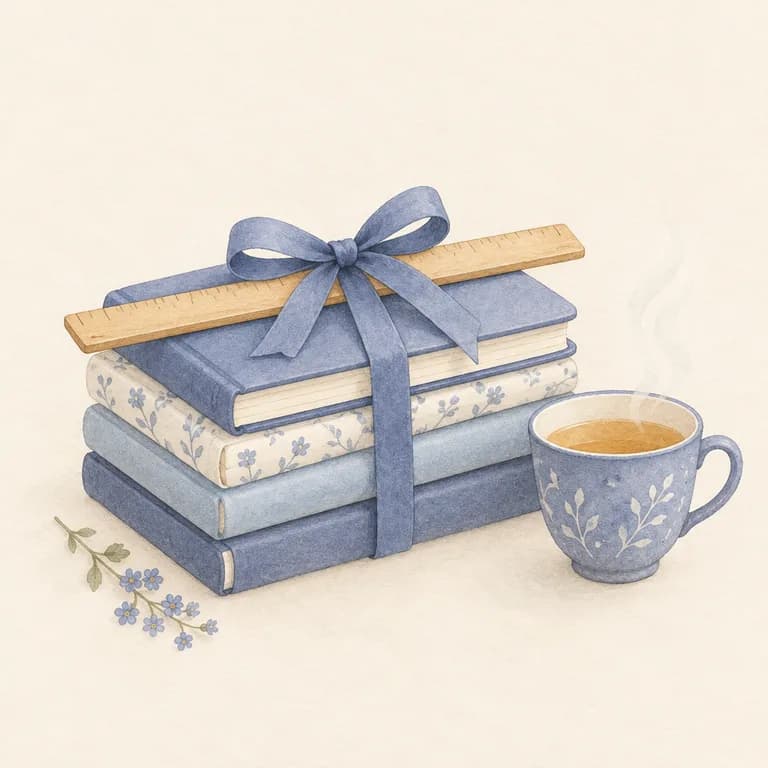
When it tends to show up
- When you are tired but the usual chores and errands are still waiting
- When asking for help would be faster, but you keep carrying it all yourself
- When someone doesn’t keep to the agreed time or to good manners
A hint for another view
Try changing “I should” into “It would be nice if I could.” When a rule turns into a goal, the days you can’t meet it get a little easier.
What are Should Statements
Should Statements are a habit where the rules inside you, like "I should," "I have to" and "I must not," are so strong that you easily blame yourself or the people around you when they aren't kept. When the rules are aimed at yourself, they tend to turn into guilt and pressure. When they are aimed at others, they tend to lead to irritation and frustration.
Having your own rules is an important support for keeping your life in order, keeping promises to people and working toward your goals. People with a strong sense of responsibility, who don't want to be a burden to anyone, tend to hold these rules firmly. But when there are too many rules, or when you try to keep them without exception in every situation, you can't let yourself rest even on days when you are tired or something has come up. As you spend more time blaming yourself for the rules you couldn't keep, you may feel down more easily.
There is nothing strange about having this habit. Many rules are valuable things we have learned from past experience and from the people around us. Noticing "I might be tying myself down with rules right now" is the first step toward seeing things differently.
Everyday examples
At home, you may come back from work or school completely worn out and still think "The dishes should be done tonight" or "The house should always be tidy," and feel guilty about resting. Leaving the dishes until morning would change very little, yet resting can feel like breaking a promise to yourself.
At work, even when it would clearly be faster to ask someone else for help, you may hold on to the task, thinking "I must not be a bother to anyone" or "Once it's been handed to me, I have to finish it alone," and before you know it, you're the only one still at the office late. Meanwhile, a coworker who would have been glad to help never even hears that you needed it.
In friendships, when a friend shows up a little late to meet you, you may feel strongly irritated: "Being on time is just basic." The friend may have been held up by traffic or a late train, but the broken rule is what you notice first. The rules you care about most are the ones that bother you most when others don't keep them.
In dating, you may hold strong beliefs like "A partner should do this" or "You should text often," and when the other person does things differently, you may feel you aren't being valued. On social media, you might find yourself chased by rules you made for yourself: "I have to post every day," "I should reply right away." Rules like these were meant to make things go well, but they can start to feel like a list of chores you can never finish.
When they tend to get stronger
Should Statements tend to get stronger when you are tired but still have things left to do. Your body wants to rest, but the rules in your head won't allow it, so a tug-of-war starts between your mind and your body.
They also show up more when you have just been given a new role, or when you strongly feel the expectations of the people around you. The more you feel "I need to do this properly," the more rules you add. When you are doing something together with others and your way of doing things differs from theirs, the thought "This is how it's supposed to be done" also tends to appear.
Questions that help you find another view
When you feel "I should," try asking yourself questions like these:
- How does it feel if you change that "I should" into "It would be nice if I could"?
- When and where did you pick up that rule?
- Given how you are feeling today, is it really necessary to keep that rule?
- If a friend were struggling under the same rule, what would you say to them?
- The other person may have their own rules and circumstances. What might they be?
When a rule turns into a goal, the days you can't meet it get a little easier. You don't need to throw your rules away. It is enough to be able to adjust them to the situation and say "That's as far as I go today."
How they differ from similar patterns
Should Statements often show up together with All-or-Nothing Thinking. All-or-Nothing Thinking is a habit of judging results at the two extremes, as "perfect" or "failure." What sets Should Statements apart is that, rather than being about how you judge results, the standard itself, "this is how it should be," is strict, and when you or others fall short of it, you tend to place blame.
They can also overlap with Labeling. When you call yourself "a sloppy person" for not keeping a rule, or call someone else "a rude person" for not keeping it, Should Statements lead on into Labeling. Noticing which one shows up first makes it easier to see where to start rethinking.
Where to reach out when things feel hard
If painful feelings keep going, please don’t carry them alone. Try talking to someone. There are public helplines where you can talk without giving your name.
United States
988 Suicide & Crisis Lifeline
Call or text 988, or chat online. Available 24/7, free and confidential.
Official websiteUnited Kingdom and Ireland
Samaritans
Free to call from any phone, any time, day or night.
Official websiteCanada
9-8-8: Suicide Crisis Helpline
Call or text 9-8-8. Available 24 hours a day, every day of the year.
Official websiteAustralia
Lifeline Australia
Phone support is available 24/7 to anyone in Australia.
Official websiteFind A Helpline
A directory of free, confidential helplines in over 175 countries.
Official website
If you are in another country or region, please look up a local helpline.
Phone numbers and hours were checked on each official website on November 3, 2026. They can change, so please check the official website for the latest information.