About this pattern
Labeling
Also called: Mislabeling
The One-Word Name Giver
A habit of taking a single action and naming the whole person: “I’m a sloppy person,” “They’re a cold person.”
🎬Bring your photo to life with AI video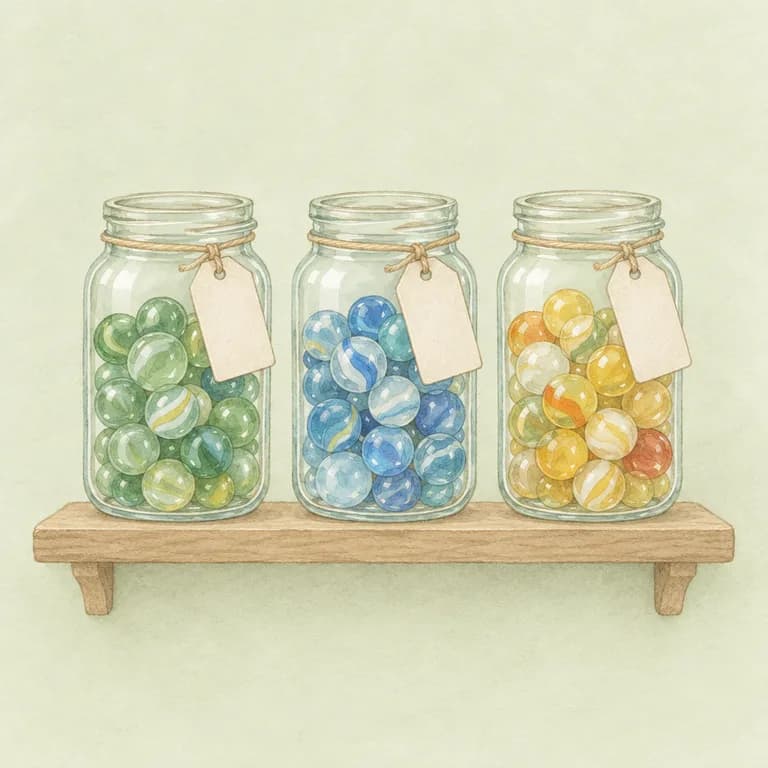
When it tends to show up
- When you forget something or make a careless mistake
- When someone is short with you once
- On the way home after a day you couldn’t speak the way you wanted
A hint for another view
Try changing “I’m a ___ person” into “Today I did ___.” Every person has far more sides than any one action shows.
What is Labeling
Labeling is a habit of taking a single action or event and giving the person as a whole a short name: "I'm a useless person," "They're a cold person." It is also called "Mislabeling," and Burns described it as "labeling and mislabeling." What makes it distinctive is that something that was really one action, "I slipped up today," gets replaced with a description of the whole person: "I'm someone who slips up."
Giving names to things is a handy way to sort out a complicated world and make it easier to understand. Summing people up in a few words can also give you a hint about how to get along with them. But every person has far more sides than any one action shows. Once a name has been given, it strongly shapes how you see things afterward. When you put a harsh label on yourself, whatever you do can feel like "See, it's because I'm that kind of person," and you may feel down more easily.
There is nothing strange about having this habit. Wanting to sum things up in a few words is a natural tendency everyone has. Noticing "I might have just given someone a name" is the first step toward seeing things differently.
Everyday examples
At work, when you forget to bring one document you needed for a meeting, you may think "I'm really such a scatterbrain." Even though you are usually well prepared far more often than not, that one time becomes the description of your whole self. The many mornings you showed up with everything ready don't make it into the description at all.
At school, on a day when the teacher calls on you and you can't answer well, you may decide "I'm just slow." One hard question on one day turns into a description of how your mind works in general.
In friendships, if you say hi and the other person's response is curt, that alone may lead you to name them: "They're an unfriendly person." They may simply have been lost in thought, yet that single impression can end up deciding how you treat them from then on.
At home or in dating, when your partner forgets a chore once, you may feel like saying "You're always so irresponsible," or after an argument you may blame yourself as "such a petty person." On social media, you might judge someone's entire character from a single post. A few lines of text can only show a tiny part of a person.
When it tends to get stronger
Labeling tends to get stronger right after a failure, or on the way home after a day that didn't go the way you wanted. When you feel low, you don't have the room to look back on things one by one, so you want to wrap them up and put them away with a few words. A single word like "useless" feels quicker than going back over what actually happened.
It also shows up more when you have been hurt in a relationship. Once you name someone "a ___ person," you don't have to think about it anymore, so it can bring some relief for a while. When you are tired, or when similar events pile up, the urge to name things and draw a line under them also tends to grow.
Questions that help you find another view
When you are about to give someone a name, try asking yourself questions like these:
- How does it sound if you change "a ___ person" into "today I did ___"?
- Can you remember one recent action that doesn't fit that name?
- If a friend did the same thing, would you give them the same name?
- Could there have been circumstances you don't know about behind what the other person did?
Every person has far more sides than any one action shows. When you think about actions and people separately, you can take a slightly softer view of both yourself and others.
When you notice a label you have put on yourself, it can also help to follow it with a "but" and add one other side of you. Writing "I forgot something. But I finished the work I was asked to do on time" side by side lets you see yourself as wider than a single word.
How it differs from similar patterns
Labeling often shows up together with Overgeneralization. Overgeneralization is a habit of taking one event and stretching the number of times or the range into "this always happens." The difference is that Labeling doesn't stretch the event; instead, it ties it to the nature of the person: "that's the kind of person they are."
It is also related to Should Statements. Should Statements is a habit of easily blaming yourself or others when your personal "I should" rules aren't kept. When not keeping a rule leads you to name someone "a sloppy person" or "a rude person," the two habits are showing up one after the other. Someone who is ten minutes late, for example, can go from "they broke the rule" to "they're just inconsiderate" in a matter of seconds.
Where to reach out when things feel hard
If painful feelings keep going, please don’t carry them alone. Try talking to someone. There are public helplines where you can talk without giving your name.
United States
988 Suicide & Crisis Lifeline
Call or text 988, or chat online. Available 24/7, free and confidential.
Official websiteUnited Kingdom and Ireland
Samaritans
Free to call from any phone, any time, day or night.
Official websiteCanada
9-8-8: Suicide Crisis Helpline
Call or text 9-8-8. Available 24 hours a day, every day of the year.
Official websiteAustralia
Lifeline Australia
Phone support is available 24/7 to anyone in Australia.
Official websiteFind A Helpline
A directory of free, confidential helplines in over 175 countries.
Official website
If you are in another country or region, please look up a local helpline.
Phone numbers and hours were checked on each official website on November 3, 2026. They can change, so please check the official website for the latest information.