About this pattern
Disqualifying the Positive
Also called: Discounting the Positive
The Master of Brushing Off Compliments
A habit of canceling out successes and compliments as “just luck” or “just being nice,” so they never count in your favor.
🎬Bring your photo to life with AI video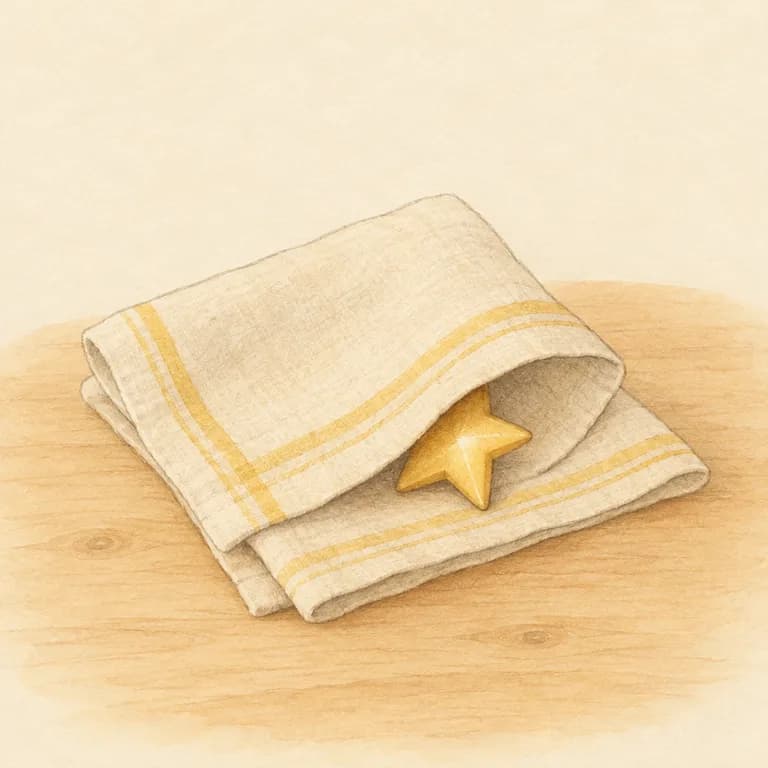
When it tends to show up
- When someone says “Thank you” or “That’s amazing”
- When something you prepared for goes better than you expected
- When you do something for someone and they are happy about it
A hint for another view
Next time you are praised, try simply saying “Thank you” before you explain it away. If a friend did the same thing, would you tell them it was just luck?
What is Disqualifying the Positive
Disqualifying the Positive is a habit of canceling out the things that went well and the compliments you receive, telling yourself "It was just luck," "They're only being nice," or "Anyone could have done that," so they never count as points in your favor. It is also called "Discounting the Positive." What makes it distinctive is that you do notice the good things clearly, but inside your mind they get swapped out for something else.
Behind this habit there is often a wish to stay humble, or a desire not to get carried away. Being able to be strict with yourself can also be a source of strength for continuing to grow. But when good things are always subtracted, a sense that "I still haven't done anything" remains no matter how hard you work. You can't feel what you have built up, and you may feel down more easily.
There is nothing strange about having this habit. If you aren't used to being praised, or you grew up somewhere that valued modesty and holding back, anyone can pick it up naturally. Noticing "I might have just canceled out something good" is the first step toward seeing things differently.
Everyday examples
At work, even when you hear that a client loved a project you handled, you may refuse to give yourself credit for your own ideas, thinking "It's only because my coworkers helped" or "The client just happened to be in a good mood this time."
At school, it can show up when you pass a certification exam or your driving test and feel "The questions were just easy this time," as if the hours and effort you put into studying never happened. The weeks of practice tests and late nights get erased by a single word: "easy."
At home, even when your family tells you the dinner you made was delicious, you may take it as "They're only saying that to be nice." Yet if it weren't good, they might simply have said nothing at all.
With friends or in dating, even when the other person tells you "I really enjoy spending time with you," you may not be able to take those happy words at face value, thinking "Maybe they don't really mean it." On social media, even when your post gets lots of reactions, you might think "People I know only liked it out of obligation." No matter how many good things arrive, none of them seem to get through.
When it tends to get stronger
Disqualifying the Positive tends to get stronger when your opinion of yourself has dropped. After a string of failures, or when you are tired and your confidence is low, good events don't match your image of "who I am right now," so you want to cancel them out.
It also shows up more when you are in a setting where it is easy to compare yourself with others. When people around you seem more capable than you, you tend to treat your own achievements as small: "That's nothing compared to them." When you have just been given a new role, or when you have been in the spotlight several times in a row, this habit can also appear out of embarrassment or a wish to hold back.
Questions that help you find another view
When you are about to cancel out something good, try asking yourself questions like these:
- How would it feel to simply say "Thank you" before you explain it away?
- If a friend achieved the same thing, would you tell them, "That was just luck"?
- Even if it was partly luck, who was it that made the most of that chance?
- Can you name one thing you came up with yourself that helped it go well this time?
- Did the person who praised you have any reason to go out of their way to lie?
Accepting good things is not the same as being full of yourself. Counting small successes, one at a time, as your own points becomes a support for the next time you take on a challenge.
It can also help to write down, before bed, just one thing you managed to do that day or one kind thing someone said to you. A record you kept without canceling it out becomes something you can reread when your confidence runs low.
How it differs from similar patterns
It is very similar to Mental Filter. Mental Filter is a habit where your attention gathers on one point that bothers you, so it is hard to notice the good things in the first place. Disqualifying the Positive is a habit where you do notice the good things but "don't count them." The difference is whether you can't see them, or whether you see them but subtract them anyway.
It also overlaps with Magnification and Minimization. Magnification and Minimization is a habit of making failures look big and strengths look small, and it shares the tendency to "treat good things as small." What sets Disqualifying the Positive apart is that, rather than just shrinking good things, it treats them as if they never happened.
Where to reach out when things feel hard
If painful feelings keep going, please don’t carry them alone. Try talking to someone. There are public helplines where you can talk without giving your name.
United States
988 Suicide & Crisis Lifeline
Call or text 988, or chat online. Available 24/7, free and confidential.
Official websiteUnited Kingdom and Ireland
Samaritans
Free to call from any phone, any time, day or night.
Official websiteCanada
9-8-8: Suicide Crisis Helpline
Call or text 9-8-8. Available 24 hours a day, every day of the year.
Official websiteAustralia
Lifeline Australia
Phone support is available 24/7 to anyone in Australia.
Official websiteFind A Helpline
A directory of free, confidential helplines in over 175 countries.
Official website
If you are in another country or region, please look up a local helpline.
Phone numbers and hours were checked on each official website on November 3, 2026. They can change, so please check the official website for the latest information.